Why "All Paces Welcome" Isn't Enough - And What REAL Inclusion Actually Looks Like
Double-click to edit...
Cast your eye across running events in Birmingham, or anywhere in the UK for that matter, and you'll see the same phrase pop up again and again.
"All paces welcome."
And it's true, isn't it? The organisers mean it. Nobody is deliberately trying to make anyone feel unwelcome. The intention behind those three words is genuinely good.
The problem is that intention and experience are two very different things.
Because if someone is worried they'll be the slowest person there, and as we explored in Part 1 of this series, then simply telling them they're welcome often isn't enough to get them through the door. Or to make them feel like they truly belong once they're there.
Inclusion isn't something you say.
It's something you do.
The gap between words and experience
Think about it from the perspective of someone who hasn't run in years. Or ever. They've seen the poster, they've read the description, they've even plucked up the courage to book a spot. And somewhere in the background, a quiet voice is telling them: this isn't really for people like you.
No amount of "all paces welcome" on a flyer will silence that voice. What silences it is experience, the accumulation of small moments that tell someone, in real time, that they were right to come.
“The communities that feel best are rarely the ones shouting the loudest about inclusivity. They’re the ones consistently proving it.”
So what does proving it actually look like? After six years of running events for workplaces, residential communities, and public runners across Birmingham, here's what we've learned.
Saying it vs. showing it
There's a meaningful difference between communicating inclusion and creating it. The first lives in your message.
The second lives in your event design, every decision you make about how the session feels from the moment someone arrives to the moment they leave.
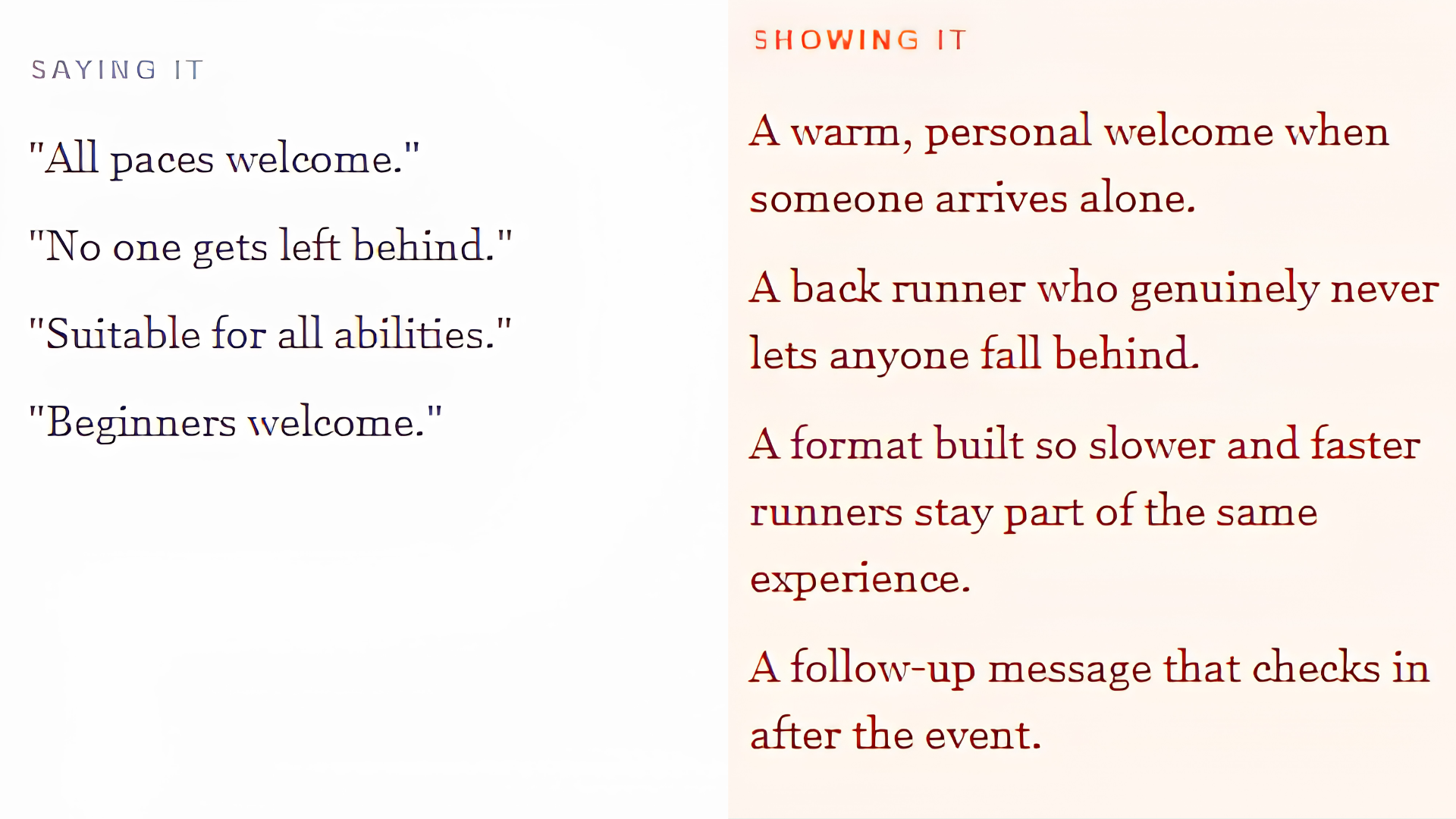
One of these costs nothing but a few words on a poster. The other requires deliberate thought about every touchpoint of your event, but it's the only one that actually works.
What we actually do at Run of a Kind
These aren't abstract principles. They're the specific choices we've built into every Run of a Kind event, refined over six years of learning what makes people feel included and what doesn't.
A warm welcome at the start. We greet every single person as they arrive, by name if we know them, with a proper introduction if we don't. Nobody should stand on their own, wondering whether they're in the right place.
Setting expectations beforehand. We tell people exactly what to expect: the route, the format, the pace, whether there’s stops, how long it takes. Uncertainty breeds anxiety. Information breeds confidence.
Intervals, loops, and regroup points. These formats are the structural backbone of genuine inclusion. When faster runners can push ahead, and slower runners can take their time, and everyone meets back up at natural regroup points, nobody is stretched out at the back feeling abandoned. The group stays together without anyone holding anyone back.
A back runner, always. This is non-negotiable for us. There is always someone at the back of the group, as a deliberate, valued role. No one gets left behind.
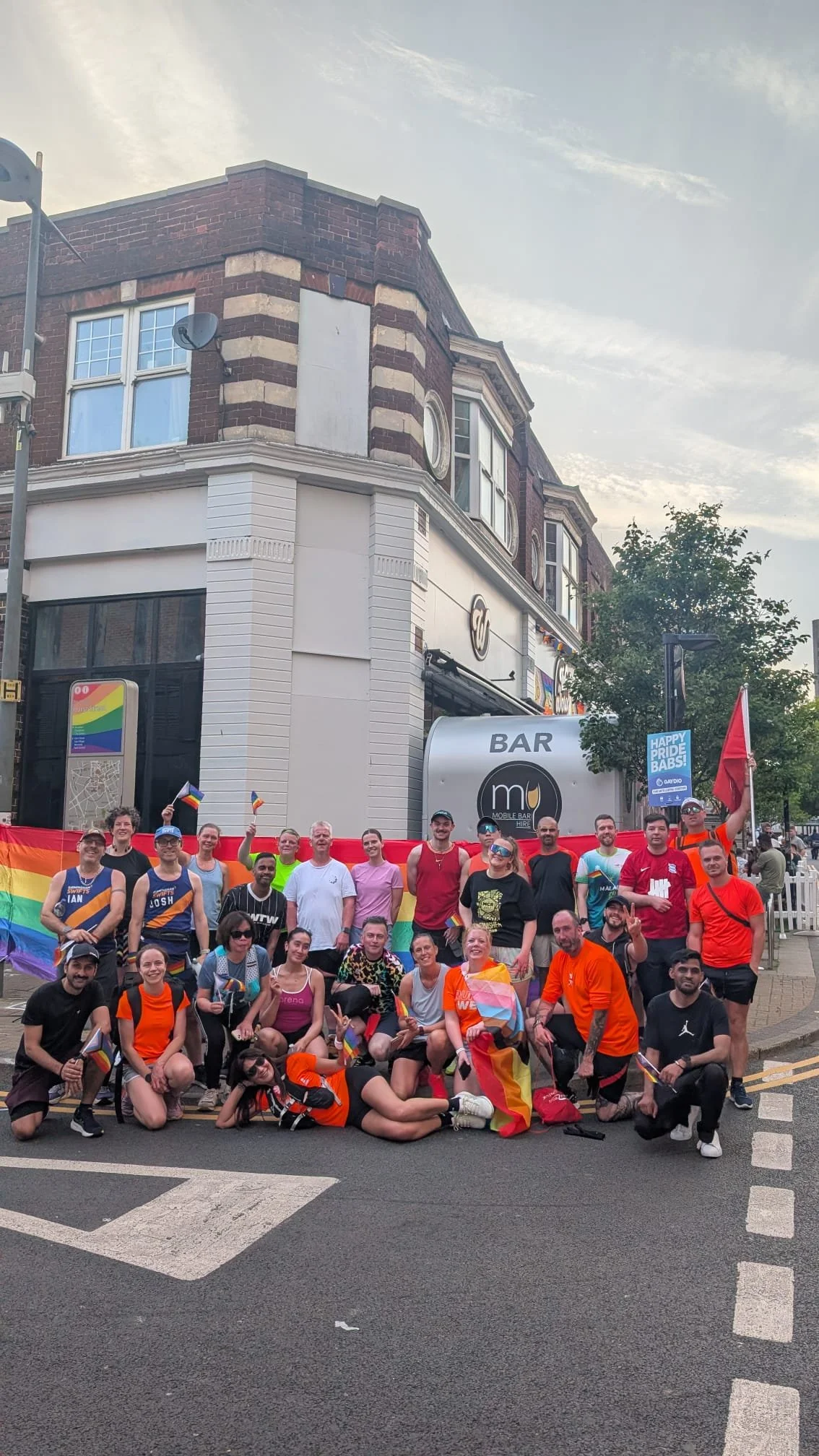
Real photos of real participants. When your promo only shows fake AI images or a photoshoot with lean, fast, experienced-looking runners, you're sending a message, whether you intend to or not. We share photos of the real people who come on our tours: all bodies, all abilities, all ages.
Following up. As we explored in Part 2, the follow-up message we send after every event to attendees and no-shows alike is one of the most powerful tools we have for making people feel seen. Inclusion doesn't end when the run does.
Don't forget your experienced runners
There's something worth saying here that often gets overlooked in conversations about inclusive fitness: it's not only beginners who need to feel welcome.
Experienced runners need to feel included too.
If someone who regularly runs turns up to an event and spends an hour barely running, they're not going to come back. And that's not a failure of their attitude: it's a failure of event design.
“THE KEY INSIGHT
True inclusion isn’t about slowing everyone down to the same level. It’s about designing an experience where different levels can coexist, where nobody is bored, nobody is left behind, and everyone leaves feeling like they were part of something.”
What happens when people REALLY DO feel included
This is the part that keeps us going! Because when people feel safe, supported, appropriately challenged, and genuinely welcomed, not just told they're welcome, something remarkable happens.
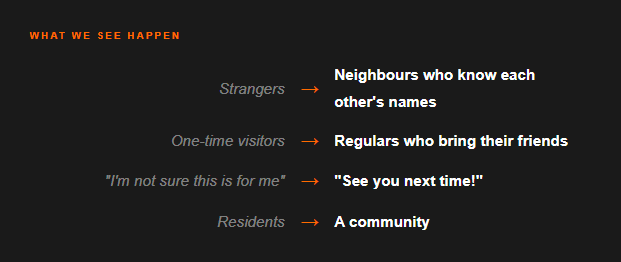
That last transformation from residents to community, is the one we care about most. Birmingham is full of people living near each other who've never spoken.
Running alongside someone for an hour, laughing at the same things, stopping at the same points, finishing together, it creates connection in a way that a hundred community newsletters could NEVER!
But it only happens when people feel safe enough to show up. And that safety isn't built with words on a poster.
It's built with every small decision you make about how your event actually feels.
It's not what you say. It's what you do. And when you do it consistently, when you show people, again and again, that they genuinely belong,
amazing things follow. 🧡
If you're a workplace wellbeing lead, a community manager, or a residential developer thinking about how to build genuine connection through movement, we'd love to chat. Get in touch via hello@runofakindbirmingham.com or calling Lucy, RUN OF A KIND Founder on 07507209994.